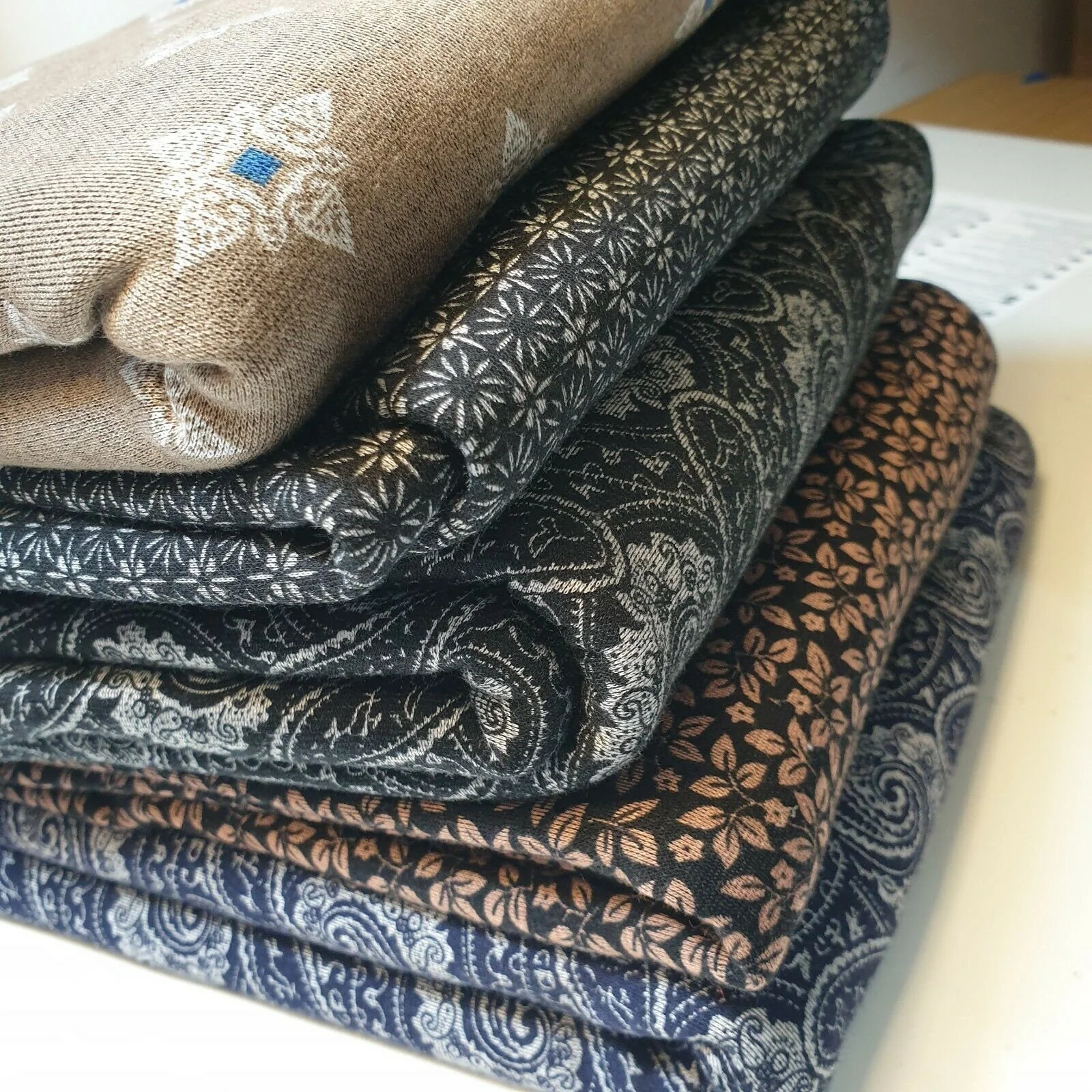
Cotton stands as the backbone of the global apparel industry. Fashion brands rely on this versatile material to create breathable, durable, and comfortable clothing. Consumers demand quality, and the fabric you choose dictates the final standard of your garments.
Sourcing premium cotton fabric in the UK presents distinct challenges. Clothing brands often face high costs, inconsistent quality, and complex supply chains. You need reliable suppliers who meet your specific requirements, whether you run a startup with small production runs or a large-scale fashion label.
This guide breaks down exactly where to find the best materials for your production needs, what to look for in a supplier, and how to source effectively.
Understanding Different Types of Cotton Fabric
Before you contact a supplier, you must define exactly what type of cotton your collection requires. Cotton takes many forms, and the specific weave changes how the fabric drapes, feels, and wears.
Popular Cotton Weaves
Different weaves serve different purposes in fashion design.
- Poplin: A tightly woven, lightweight fabric. Poplin features a smooth surface, making it ideal for crisp button-down shirts and summer dresses.
- Twill: Known for its diagonal rib pattern. Twill offers high durability and hides stains well. Brands use twill heavily for trousers, jackets, and heavy-duty workwear.
- Jersey: A knit fabric rather than a woven one. Jersey provides excellent stretch and recovery. It serves as the primary material for t-shirts, loungewear, and activewear.
Organic vs. Conventional Cotton
The fashion industry increasingly prioritizes sustainability. Conventional cotton relies on synthetic pesticides and fertilizers, requiring massive amounts of water.
Organic cotton offers a more sustainable alternative. Farmers grow organic cotton without harmful chemicals, promoting healthier soil and reducing water consumption. Buyers now actively seek out brands that use organic materials, meaning your fabric choice directly impacts your market positioning.
Considerations for Garment Types
Match the fabric weight and weave to your final product. Lightweight cotton voile suits sheer summer blouses, while heavy cotton canvas provides the structure needed for outerwear and bags. Always evaluate the fabric’s breathability, weight, and stretch against the intended use of the garment.
Key Factors When Choosing a Cotton Fabric Supplier
Selecting the right supplier determines the success of your production cycle. You must evaluate potential partners based on several critical business metrics.
Quality and Consistency
Your brand reputation depends on the quality of your clothing. A good supplier delivers consistent quality across multiple batches. Color variations, uneven weaving, or shrinking issues can ruin an entire production run. Ask for testing reports regarding colorfastness and shrinkage.
Ethical and Sustainable Practices
Consumers hold brands accountable for their supply chains. Partner with suppliers who provide transparency regarding their labor practices and environmental impact. Look for certifications like the Global Organic Textile Standard (GOTS) or Fair Trade.
Minimum Order Quantities (MOQ) and Pricing
Suppliers require different minimum order quantities. Some factories demand orders of thousands of meters, which locks out smaller brands. Look for suppliers offering low MOQs, allowing you to test new designs without tying up excessive capital in inventory. Balance the MOQ requirements against the wholesale price to ensure your profit margins remain healthy.
Lead Times and Shipping
Delays in fabric delivery halt your entire production schedule. Discuss average lead times upfront. Reliable suppliers provide clear timelines for production and shipping. Tech-enabled platforms offer delivery transparency, so you always know the exact status of your materials.
Top Local UK Suppliers for Cotton Fabric
UK fashion brands have several options for sourcing materials locally. Working with local or highly integrated suppliers streamlines your supply chain.
Fabriclore Pvt Ltd: Your Top Local and Online Choice
Fabriclore Pvt Ltd stands out as a premier destination to buy cotton fabric. Operating as a tech-enabled platform, Fabriclore delivers fully customized fabric at low MOQs to fashion businesses globally, including the UK.
They simplify fabric sourcing by offering unmatched wholesale prices alongside customized design, dyeing, and printing services. Over 400 private labels globally trust Fabriclore for their material needs. Their exceptional customer support and delivery transparency ensure your production stays on schedule. Whether you need standard poplin or specialized organic weaves, Fabriclore provides a reliable, high-quality solution for your brand.
Other Reputable UK-Based Fabric Stores
Several other suppliers operate within the UK, offering immediate access to wholesale materials. Businesses like Whaleys Bradford and MacCulloch & Wallis provide extensive catalogs of natural fabrics. While these suppliers offer fast domestic shipping, you must compare their pricing and custom printing capabilities against comprehensive platforms like Fabriclore.
Best Platforms to Buy Fabric Online
Digital platforms have streamlined the sourcing process. You no longer need to travel to trade shows to find high-quality materials.
Advantages of Online Sourcing
When you buy fabric online, you gain access to global supply chains from your office. Online platforms allow you to compare prices, read reviews, and filter fabrics by composition, weight, and certification. This transparency saves hours of manual research and phone calls. Digital suppliers also provide detailed specifications and high-resolution images, making the initial selection process highly efficient.
Specific Online Retailers and Their Offerings
Aside from Fabriclore, platforms like Contrado and Spoonflower allow brands to buy fabric online with custom printing options. These platforms cater well to small brands needing unique prints on cotton bases. However, for scaled production and competitive wholesale pricing on bulk orders, tech-enabled B2B suppliers remain the most cost-effective choice.
Tips for Fashion and Clothing Brands When Sourcing Cotton
Sourcing fabric requires strategic planning. Follow these steps to secure the best materials for your brand.
Requesting Samples
Never place a bulk order without reviewing physical samples first. Request swatches to test the fabric’s weight, drape, and feel. Wash the samples to check for shrinkage and color bleeding. Testing the material ensures it performs exactly as you expect during garment construction.
Building Supplier Relationships
Treat your suppliers as long-term business partners. Clear communication prevents costly mistakes. Provide detailed tech packs and specifications when requesting custom dyeing or printing. A strong relationship with your supplier often leads to better service, priority production times, and flexibility during emergencies.
Negotiating Terms
Everything is negotiable. Once you establish a consistent ordering history, discuss better payment terms or tiered pricing based on volume. If a supplier’s MOQ is slightly too high, ask if they will lower it for your first test order.
Make Informed Choices for Your Fashion Brand
Your fabric sourcing strategy dictates your brand’s quality, profitability, and production speed. By understanding the different weaves and prioritizing quality and consistency, you set your fashion label up for success.
Take advantage of tech-enabled platforms like Fabriclore to access custom designs, low MOQs, and transparent delivery times. Request samples, build strong relationships with your suppliers, and always evaluate the long-term reliability of your sourcing partners. Start evaluating your current supply chain today and upgrade your sourcing strategy to build better, more profitable collections.
Fabriclore is a leading B2B fabric sourcing platform dedicated to empowering fashion designers, apparel manufacturers, and clothing brands worldwide. With 10+ years of experience in the textile industry, we have built a trusted network that connects creativity with high-quality fabrics, ensuring seamless and efficient sourcing for every scale of production.
Our extensive collection includes natural fibers like cotton fabric, linen fabric, and silk fabric; man-made fibers such as viscose fabric and polyester fabric; along with sustainable options like LENZING™, LIVA™, BEMBERG™ Cupro, and organic cotton.
We offer four key services tailored to meet every design and production need:
- Dyeable Fabric – Woven RFD & greige, sustainable, and knitted fabrics.
- Dyed Fabric – Mill dyed, yarn dyed, Schiffli, and denim fabrics.
- Made To Order – Digital printing, screen printing, block printing, and dyeing solutions.
- Ready Stock – Block, screen, Ikat, tweed, and jacquard fabrics.
Explore our diverse range of custom-printed, ready mill-dyed, and yarn-dyed fabrics to find the perfect match for your next collection.
For personalized assistance or inquiries, reach out to us at hello@fabriclore.com.
Experience seamless, authentic, and affordable fabric sourcing with Fabriclore — your trusted partner with over a decade of expertise in the global textile industry.