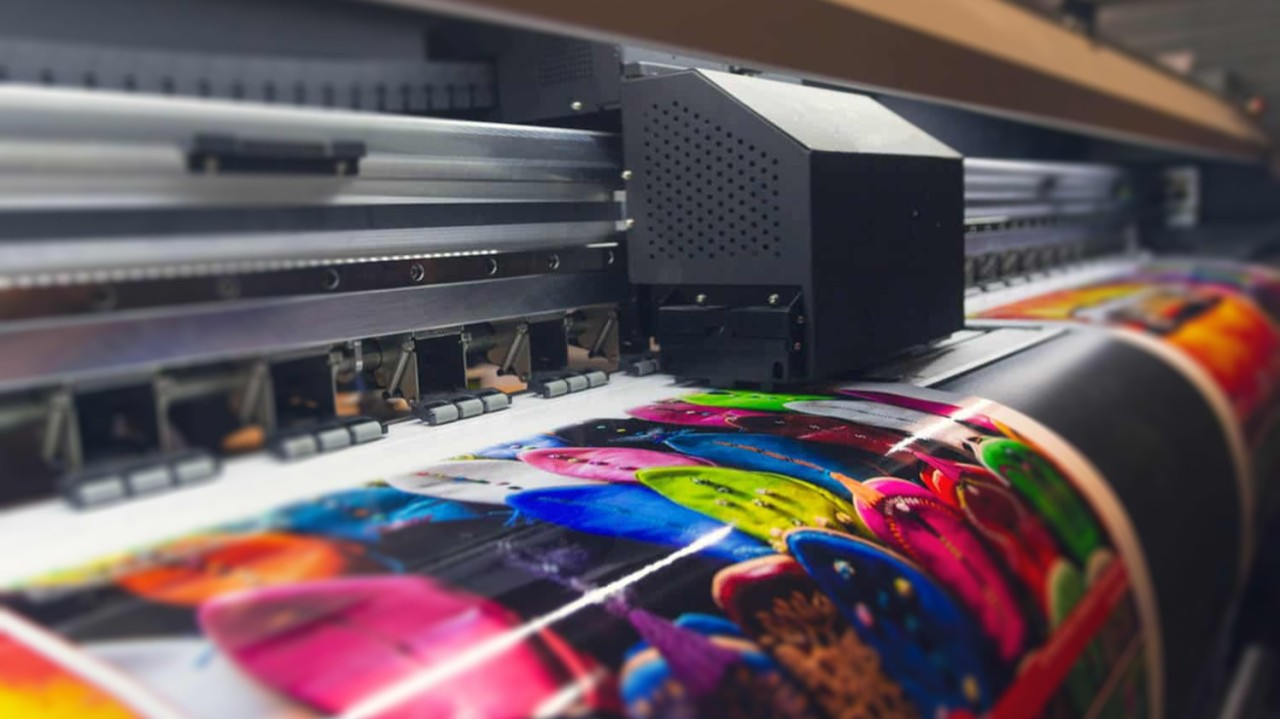
For centuries, the quality of a print run depended heavily on the intuitive eye of a seasoned press operator. Fine-tuning ink densities, adjusting registration, and correcting paper feed anomalies were tactile, highly manual crafts perfected through decades of apprenticeship.
Today, the modern pressroom is undergoing its most radical transformation yet through the integration of artificial intelligence, machine learning, and autonomous robotics. The future of high-volume manufacturing isn’t just digital—it is self-correcting.
AI-Driven Vision Systems and Real-Time Inspection
The human eye, no matter how trained, eventually tires during a grueling twelve-hour press run. High-speed digital and offset presses now utilize advanced optical inspection systems powered by convolutional neural networks.
As sheets fly through the press at thousands of impressions per hour, high-resolution cameras capture every single pass. The AI model analyzes the imagery in milliseconds, detecting microscopic defects such as:
- Ink Streaks and Smudges: Catching stray ink spatters or roller marks before they ruin an entire pallet of stock.
- Color Drift: Identifying subtle shifts in color density caused by changing press temperatures or ink viscosity.
- Registration Misalignments: Spotting fractions-of-a-millimeter shifts in front-to-back alignment.
Instead of waiting for an operator to pull a physical sample and spot an error halfway through a job, the autonomous system flags the issue instantly—and in many cases, adjusts the press parameters automatically without human intervention.
Predictive Maintenance and IoT Integration
Unplanned downtime is the ultimate enemy of profitability in industrial manufacturing. A broken gear or a failing drying lamp can grind a million-dollar production line to a halt.
Internet of Things (IoT) sensors embedded throughout modern presses constantly monitor vibration signatures, motor temperatures, belt tensions, and fluid pressures. Machine learning algorithms analyze this continuous telemetry against historical wear data to predict component failure weeks before it happens.
Maintenance teams can then service the equipment during scheduled downtime, transforming the pressroom from a reactive repair shop into a streamlined, high-uptime operation.
Autonomous Workflow Automation and Smart Scheduling
AI’s footprint extends far beyond the physical machinery and into the front office through automated workflow management. Modern print-management software uses predictive analytics to optimize job scheduling, grouping similar paper weights, coatings, and color profiles to minimize changeover times between runs.
By letting intelligent algorithms handle job routing, inventory forecasting, and dynamic pricing, print service providers reduce operational overhead while maximizing press utilization. The machine doesn’t just print the work—it helps plan it.
The Human-AI Synergy
The rise of automation doesn’t render the human workforce obsolete; it elevates their role. Operators transition from manual mechanics to high-level system supervisors, focusing on complex problem-solving, creative structural design, and client collaboration.
By marrying the mechanical velocity of industrial presses with the cognitive precision of artificial intelligence, the modern pressroom achieves a level of efficiency, consistency, and sustainability that once belonged strictly in science fiction.