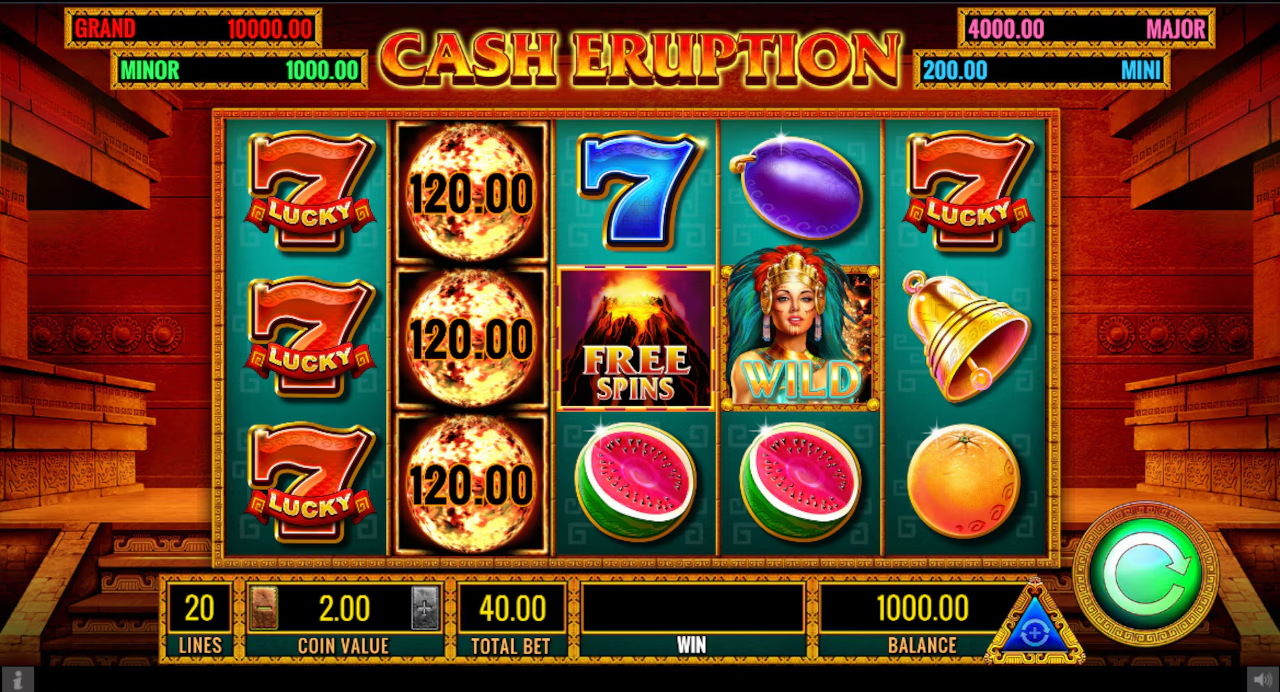
The slot industry has become one of the most dominant forms of digital entertainment in the modern era. What began as simple mechanical machines in physical casinos has evolved into a global online ecosystem powered by advanced software, graphics technology, and secure randomization systems. Today, slot games are accessible worldwide, offering fast, visually engaging experiences that fit seamlessly into mobile and online lifestyles.
At the core of slot gameplay is a simple mechanism: spinning reels and random outcomes. Players initiate a spin, and symbols land in different positions across the reels. Winning combinations are determined based on predefined rules. In earlier machines, this process was driven by physical gears and mechanical systems. Modern slot games, however, rely on Random Number Generator (RNG) technology, which ensures every spin is independent, unpredictable, and fair.
The simplicity of slot games is one of the key reasons for their widespread popularity. Unlike strategy-based games, slots require no skill, training, or complex decision-making. Players only need to select a stake and spin the reels. This makes the format highly accessible, especially for casual users who prefer quick, easy-to-understand entertainment experiences.
Another major factor behind the growth of slot games is their visual and thematic diversity. Developers invest heavily in creating immersive environments using high-definition graphics, animations, and sound design. Themes can range from ancient mythology and historical adventures to futuristic worlds, fantasy settings, and pop culture-inspired designs. This variety helps maintain user interest and encourages long-term engagement.
Modern slot games also include interactive features that enhance gameplay. Bonus rounds, free spins, wild symbols, scatter mechanics, and multipliers are commonly used to add excitement and variation. These features create dynamic experiences where each session feels different, even though the underlying system is still based on randomness. This balance between simplicity and variety is a defining characteristic of modern slot design.
Mathematics plays a central role in the structure of slot games. Each game is built around probability models that determine payout frequency and distribution. A key concept is Return to Player (RTP), which represents the theoretical percentage of total wagers returned to players over time. While RTP does not influence individual outcomes, it provides a long-term statistical framework that defines the behavior of each game.
The transition from physical casinos to digital platforms has significantly expanded access to slot games. Players can now access thousands of titles instantly through websites and mobile applications. This digital shift has made slots one of the most widely consumed forms of entertainment globally. The convenience of online access allows users to engage at any time, without geographical limitations.
Mobile technology has further accelerated this growth. Developers now design slot games with mobile-first optimization, ensuring smooth performance on smartphones and tablets. Touch-based controls, responsive interfaces, and fast loading speeds make it easy for users to play on the go. This flexibility aligns with modern digital behavior, where entertainment is often consumed in short, frequent sessions.
Despite their entertainment appeal, slot games are entirely based on chance. Each spin is determined by RNG systems, meaning no strategy can influence the outcome. Because of this, responsible gaming practices are strongly encouraged across regulated platforms. Tools such as deposit limits, session reminders, and self-exclusion features help users maintain control over their gaming behavior.
Regulation is another critical component of the global slot industry. Licensed operators must follow strict guidelines to ensure fairness, security, and transparency. Independent testing agencies regularly audit RNG systems to confirm randomness and compliance. These safeguards help maintain trust and protect users across regulated markets worldwide.
Beyond mechanics and regulation, slot games reflect broader trends in digital entertainment. Their combination of fast-paced interaction, visual storytelling, and simple gameplay fits well with modern consumption habits. As users increasingly prefer instant and engaging content, slot games continue to remain highly relevant in the entertainment ecosystem.
Looking forward, the future of slot games will likely be shaped by emerging technologies. Innovations such as virtual reality (VR), augmented reality (AR), artificial intelligence (AI), and blockchain integration are already influencing development. These advancements may lead to more immersive gameplay environments, personalized experiences, and improved transparency in game systems.
In conclusion, slot games have evolved from mechanical devices into advanced digital entertainment platforms that combine creativity, mathematics, and technology. Their accessibility, engaging design, and interactive features have made them a leading force in online entertainment. While they remain grounded in randomness and probability, their appeal lies in simplicity and excitement. As technology continues to advance, slot games are expected to become even more immersive, innovative, and globally influential in the future of digital entertainment.